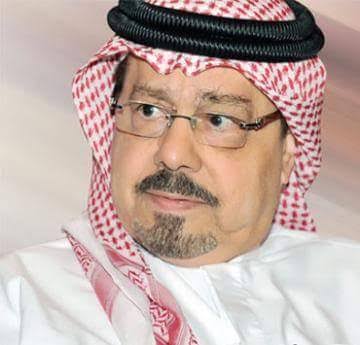
Interfaith Dialogue in the Thought of the Writer and Thinker Ali Mohammed Al-Sharafaa Al-Hammadi An Analytical Study on the Role of the Resalat Al-Salam Foundation in Building Bridges of Communication with Global Churches
Prepared by:
Dr. Moataz Salah El-Din
Advisor, Democratic Center for Middle East Studies – North Carolina
First: Introduction
Over the past decades, the world has witnessed a significant rise in tensions of a religious and cultural nature. As a result, interfaith dialogue has become one of the central issues in contemporary international relations.
Many intellectuals and religious institutions have come to realize that confronting extremism and civilizational conflicts cannot be achieved except through building bridges of understanding and cooperation among followers of different religions.
Within this context emerges the intellectual project of the Arab thinker Ali Mohammed Al-Sharafaa Al-Hammadi, who emphasizes in his writings that the message of Islam, in its essence, is a message of mercy and universal peace, and that the Holy Qur’an establishes human relations based on justice, freedom, and cooperation among all people regardless of their beliefs.
This intellectual vision has been translated into institutional action through the Resalat Al-Salam International Foundation, which works globally to spread a culture of peace, correct misconceptions about Islam, and promote dialogue with religious and cultural institutions around the world.
Second: Intellectual Foundations of Interfaith Dialogue in the Thought of Ali Mohammed Al-Sharafaa
The intellectual project of the writer and thinker is based on a set of Qur’anic principles that form the foundation of dialogue between religions. Among the most prominent are:
1. Unity of Human Origin
Al-Sharafaa believes that humanity shares a common human origin, and that religious and cultural diversity should serve as a gateway to mutual understanding and civilizational integration rather than a cause for conflict.
2. Freedom of Belief
The intellectual framework proposed by Al-Sharafaa emphasizes that the Qur’an firmly establishes the principle of freedom of faith and choice, which represents a fundamental basis for any sincere religious dialogue.
3. Rejection of Violence in the Name of Religion
Al-Sharafaa argues that many conflicts attributed to religion are the result of incorrect human interpretations of religious texts, while the Qur’anic message itself emphasizes values of justice, mercy, and Pearce.
4. Human Cooperation Among Followers of Different Religions
The thinker’s project stresses the necessity of cooperation among followers of different religions to confront global challenges such as poverty, violence, and extremism.
Third: The Resalat Al-Salam Foundation as a Platform for Interfaith Dialogue
The Resalat Al-Salam International Foundation represents the institutional framework through which this intellectual vision is translated into practical initiatives.
The foundation has focused on:
Promoting a culture of peace and coexistence among peoples.
Organizing intellectual seminars on shared values between religions.
Establishing communication with churches and religious institutions in Europe and worldwide.
Presenting an intellectual discourse emphasizing that Islam is a religion of mercy and peace.
Fourth: Meetings Between the Resalat Al-Salam Foundation and Christian Churches and Institutions
As part of promoting Islamic-Christian dialogue, the foundation has engaged with numerous Christian religious leaders and institutions.
Among the most notable meetings:
1. Meeting with the Delegation of the German Bishops’ Conference
The foundation hosted a delegation from the German Bishops’ Conference in an intellectual meeting that addressed issues of religious dialogue and the promotion of peace among peoples.
The discussions emphasized the importance of cooperation between intellectual and religious institutions in confronting extremism and hatred.
2. Participation of the Director of the Dominican Institute for Oriental Studies
One of the foundation’s events included the participation of the Director of the Dominican Institute for Oriental Studies (IDEO), one of the most prominent academic centers specializing in Islamic studies and Islamic-Christian dialogue.
This participation contributed to enriching intellectual discussions on the civilizational commonalities between Islam and Christianity.
3. Meetings with Churches in Europe
A delegation from the Resalat Al-Salam Foundation conducted several visits to churches and religious institutions in Europe.
During these meetings, the delegation presented the foundation’s vision of global peace and the importance of interreligious cooperation.
These meetings focused on emphasizing that the Abrahamic religions share common values, including faith in God, righteous deeds, and respect for human dignity.
Fifth: The Book “Islam Testifies to the Authenticity of the Christian Faith” and Its Role in Interfaith Dialogue
The book “Islam Testifies to the Authenticity of the Christian Faith” by Ali Mohammed Al-Sharafaa Al-Hammadi represents one of the most important intellectual contributions to Islamic-Christian dialogue.
The book is based on a Qur’anic reading that affirms Islam’s respect for the message of Jesus Christ (peace be upon him) and highlights the shared ethical values between Islam and Christianity.
The book has received considerable attention in international intellectual circles, where it has been viewed as an intellectual effort aimed at building civilizational bridges between followers of different religions and promoting a culture of mutual respect and coexistence.
As part of supporting religious dialogue, the book has been printed in several languages, translated, and distributed in a number of European countries in order to introduce a vision of Islam that recognizes the message of Christ and respects Christian belief.
This initiative contributed to opening new spaces for intellectual dialogue between Muslims and Christians in Europe.
The book was also presented during several meetings held by delegations from the Resalat Al-Salam Foundation with European churches and religious institutions as a practical model of dialogue grounded in shared religious texts.
Sixth: Implications of These Initiatives in Strengthening Religious Dialogue
These meetings and initiatives reveal several significant implications:
1. Transforming Dialogue from Theory to Practice
The project has not remained limited to intellectual discourse but has developed into practical institutional activity through international meetings and seminars.
2. Building Bridges of Trust Between Muslims and Christians
Direct meetings with Christian religious leaders have contributed to reducing many mutual stereotypes.
3. Highlighting Shared Values Between Religions
These initiatives emphasized shared values such as justice, mercy, peace, and human dignity.
4. Presenting an Arab Model for Interreligious Dialogue
The project led by the Resalat Al-Salam Foundation represents an Arab model of interfaith dialogue based on Qur’anic principles and the values of human coexistence.
Seventh: Challenges Facing Interfaith Dialogue
Despite the importance of these initiatives, interfaith dialogue faces several challenges, including:
The spread of extremist rhetoric.
The political exploitation of religion in certain conflicts.
Mutual stereotypes between religious communities.
Therefore, the continuation of intellectual and institutional initiatives aimed at promoting a culture of dialogue remains a pressing necessity in a world undergoing rapid political and cultural transformations.
The intellectual project of Ali Mohammed Al-Sharafaa Al-Hammadi emphasizes that interfaith dialogue is not merely a cultural activity but rather a human necessity for protecting the world from religious and civilizational conflicts.
The Resalat Al-Salam International Foundation has successfully translated this vision into practical reality through meetings with churches and religious institutions in Europe, as well as through the publication of intellectual works that support dialogue, such as the book “Islam Testifies to the Authenticity of the Christian Faith.”
This project represents an important model that can serve as a foundation for developing new paths of interfaith dialogue, based on shared values, mutual respect, and a collective pursuit of global peace.